X, the Moonshot Factory
Lead Industrial Designer
Concept
2016
Before Google Daydream became Google’s formal entry into VR, I contributed to an early VR R&D effort within X, the Moonshot Factory. At the time, the category was still defining itself: technically ambitious, but physically unresolved.
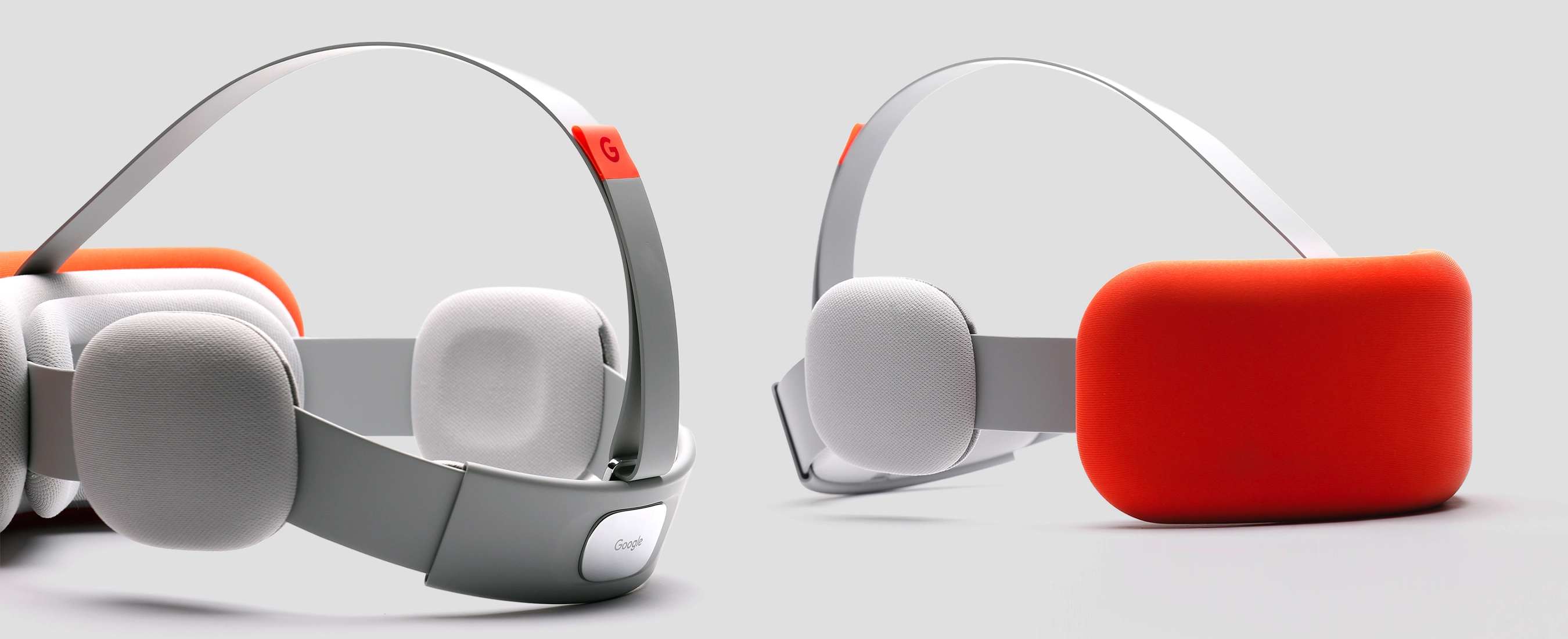
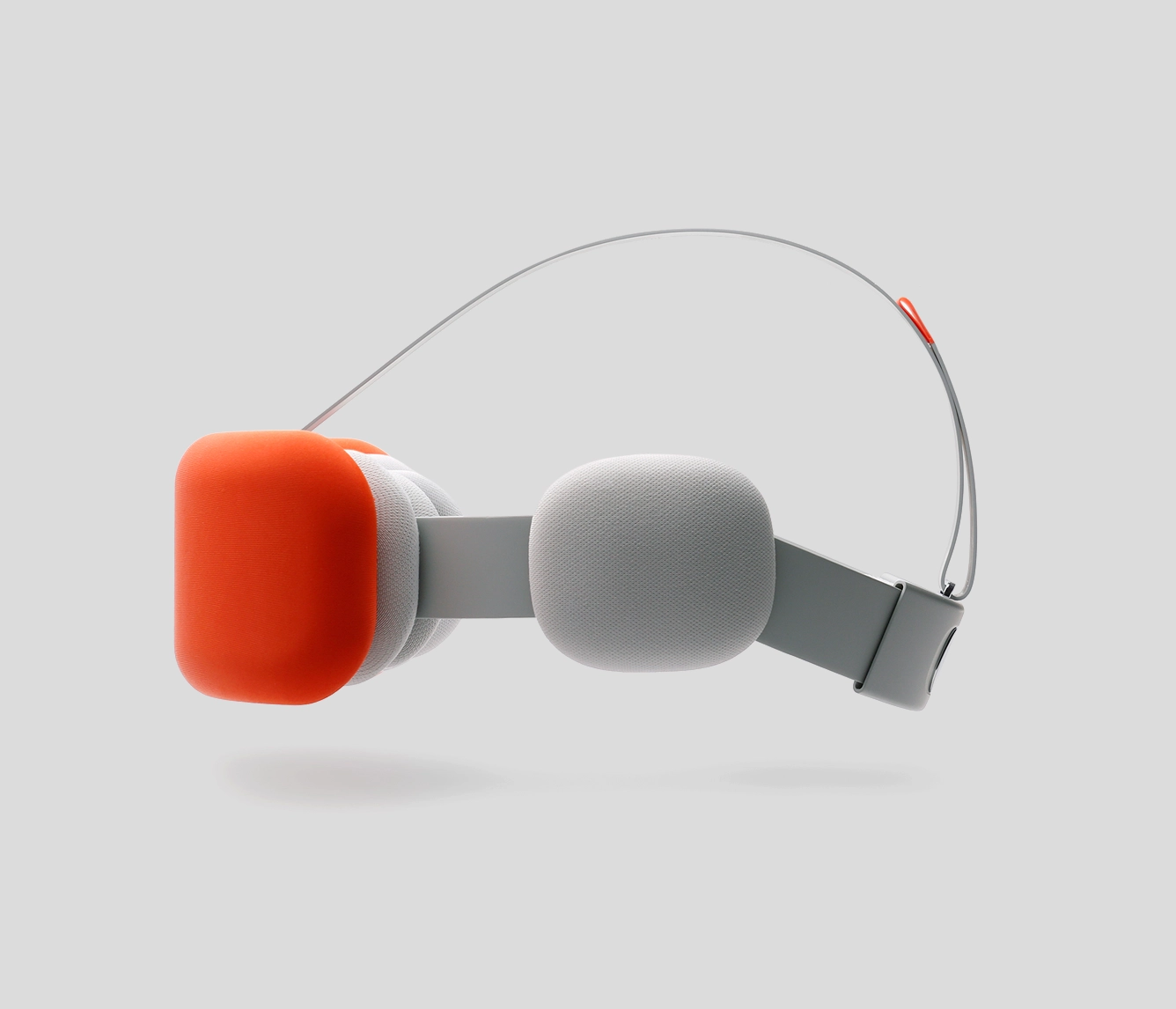
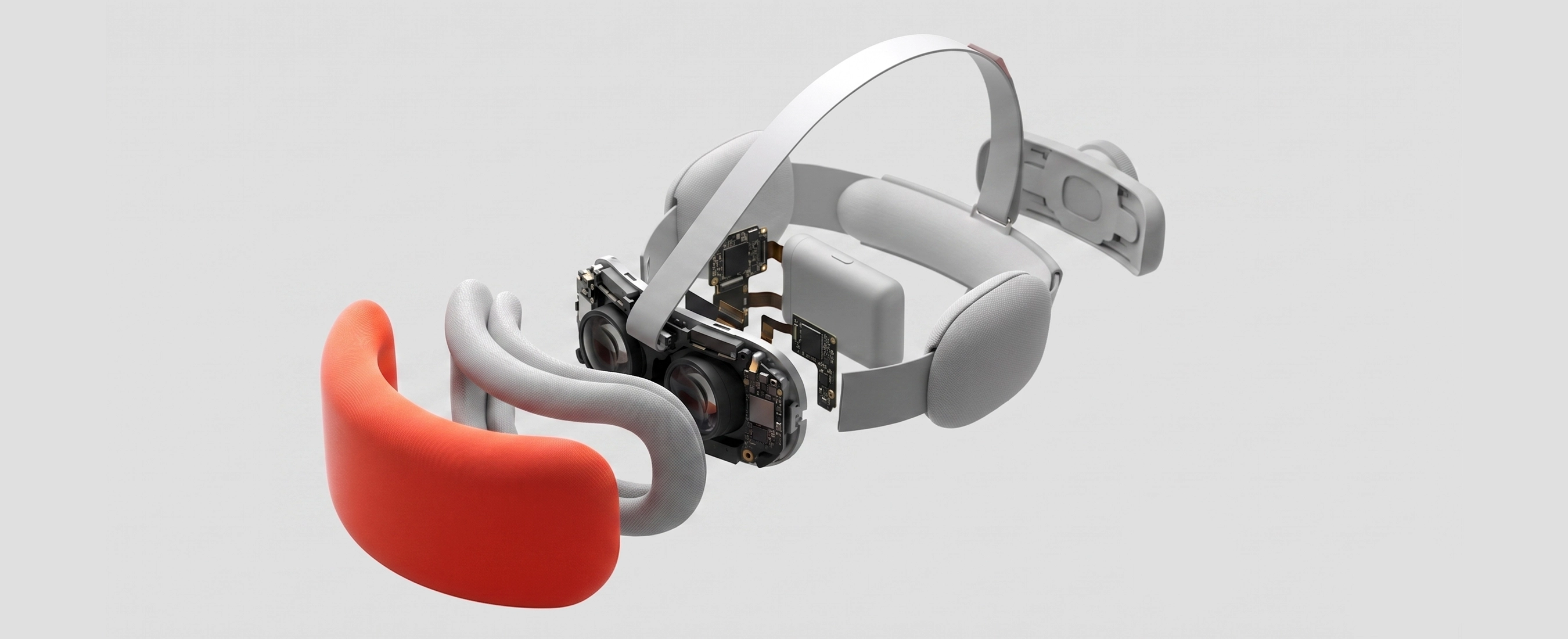
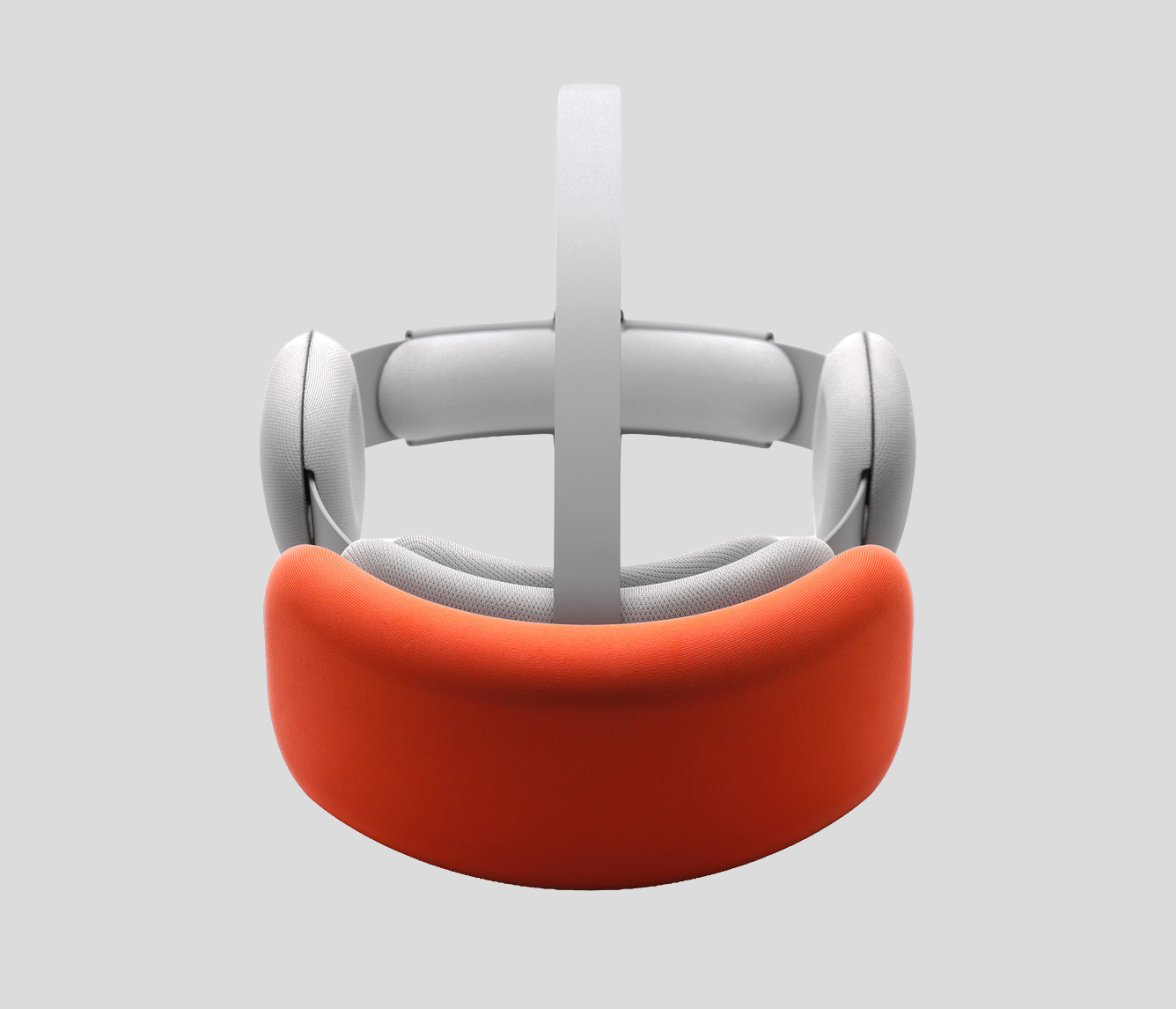
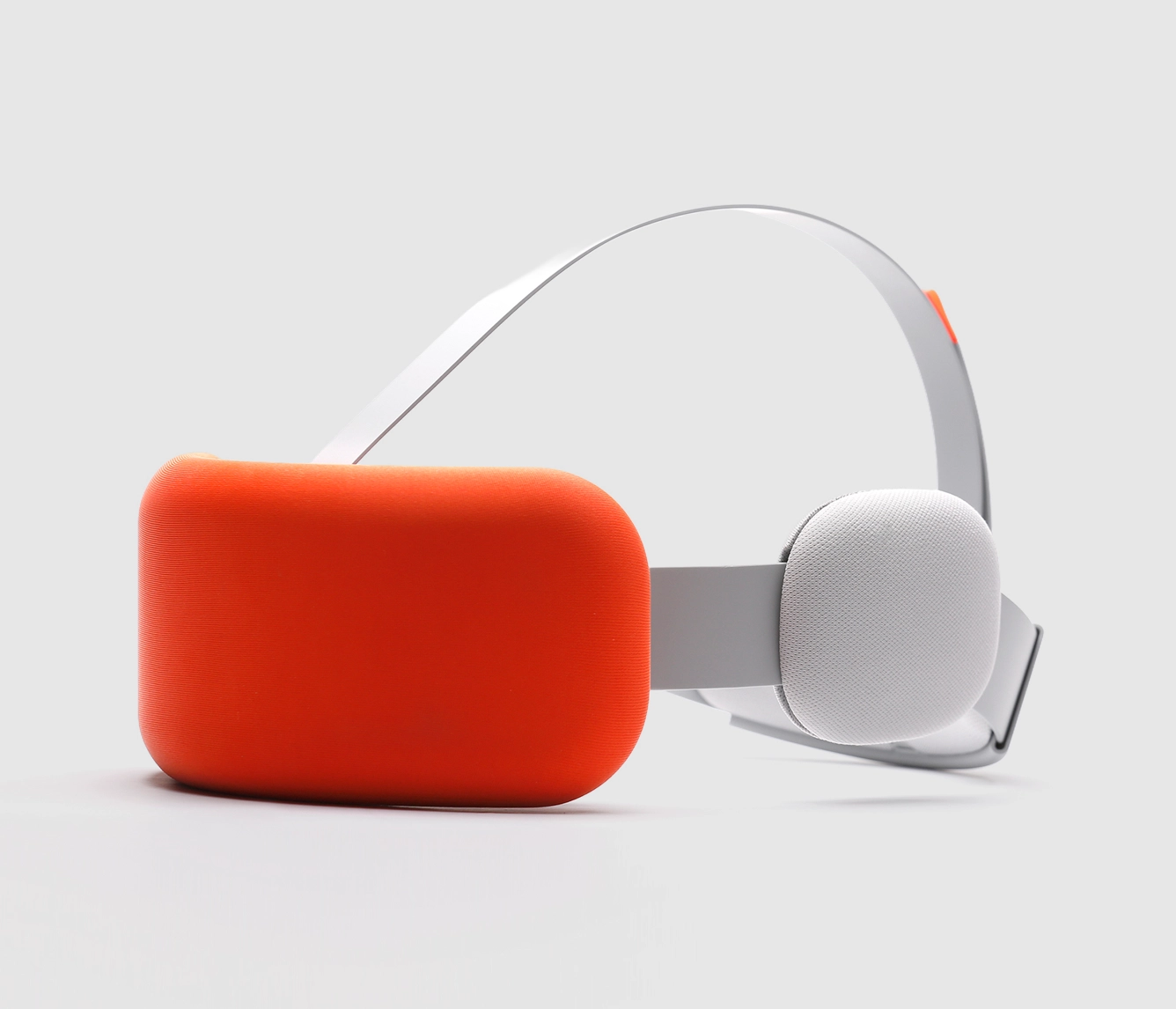
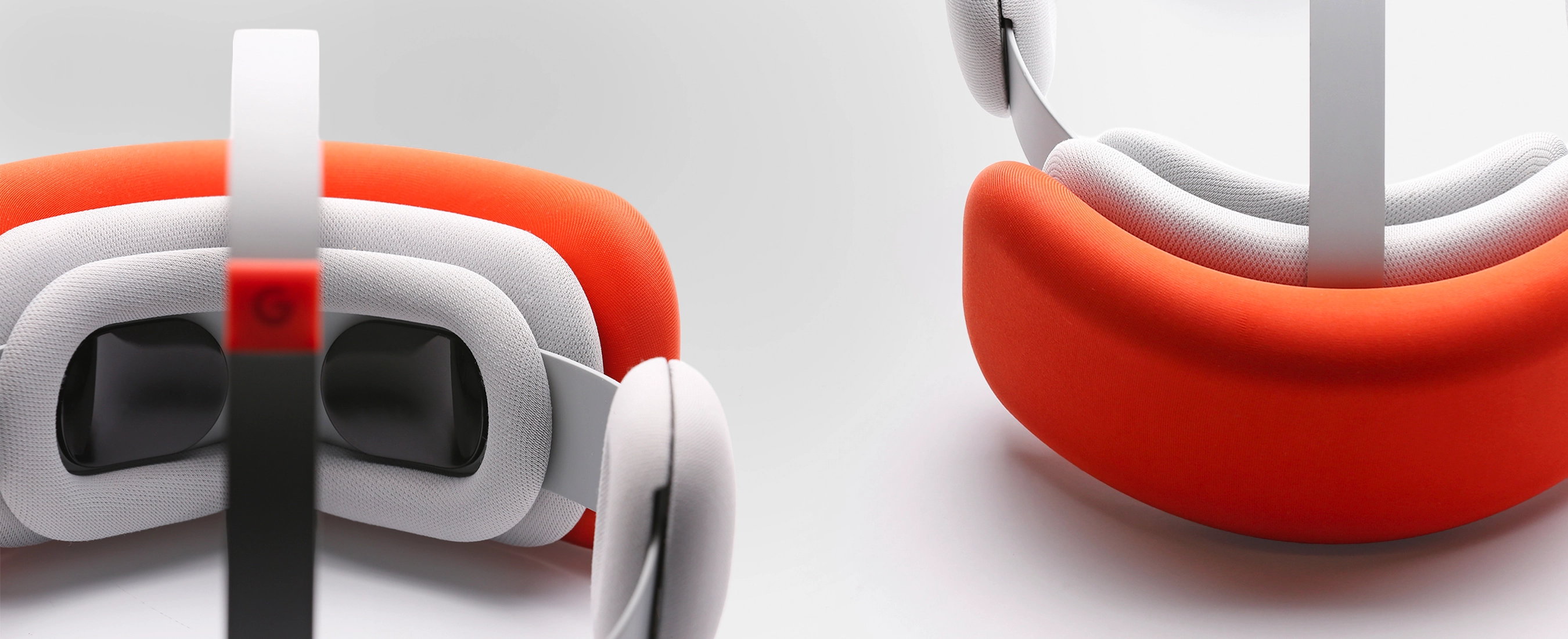
Most headsets in 2015 shared a common set of issues: they were bulky, rigid, and uncomfortable. You didn’t need to be a VR enthusiast to recognize the barrier this created. My perspective was simple—if VR was to become an everyday experience, it first needed to feel approachable. Rather than following the prevailing consumer electronics language of hard plastics and exposed mechanics, I pursued an alternative direction grounded in softness, tactility, and human comfort. This POV led to an exploration of layered construction—fabric-wrapped, cushioned forms that could gently interface with the body. By replacing hard surfaces with textiles, the headset shifted from something worn to something inhabited. It introduced warmth, flexibility, and a sense of familiarity that stood in stark contrast to the category at the time.
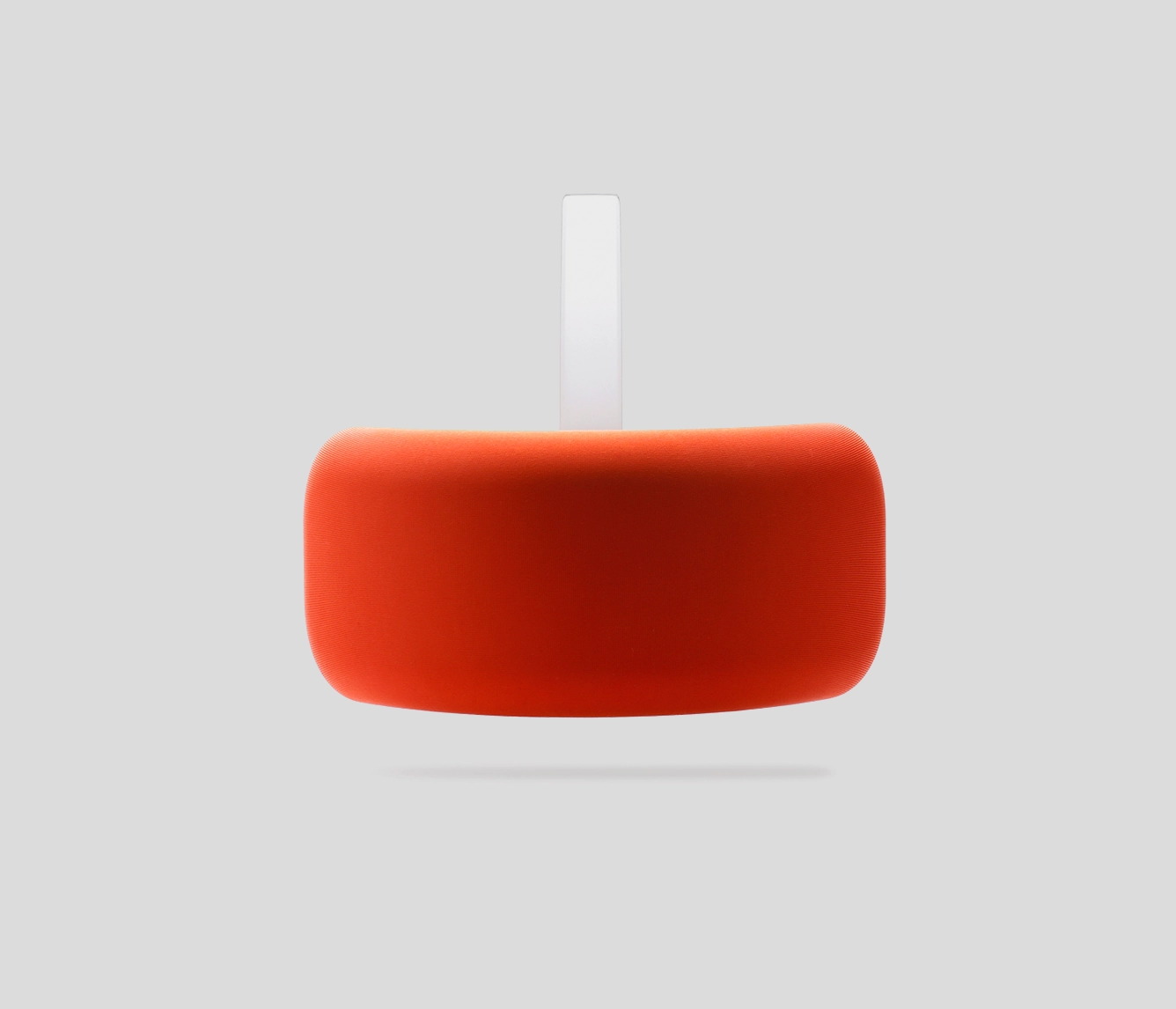
Beyond comfort, the material expression played a strategic role. The textile exterior softened the perception of VR itself—making it feel less like specialized equipment and more like an inviting, everyday object. In doing so, it broadened the product’s appeal, reaching users who may have otherwise felt excluded by the cold, technical aesthetic of early headsets.
This work helped establish a new design direction—one that would later become foundational to Daydream—where comfort, materiality, and approachability were treated not as secondary considerations, but as essential to the future of immersive computing.